
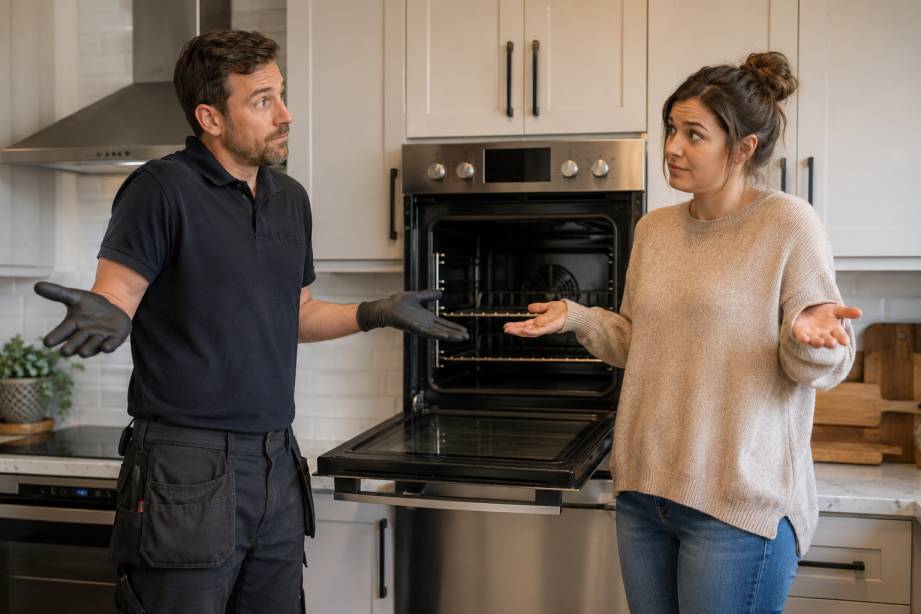
There’s no doubt about it — cleaning an oven is one of those jobs most people put off for as long as humanly possible. You open the oven door, have a quick look inside, think “yeah… I’ll deal with that later,” then shut it again and pretend it doesn’t exist for another three months.
But eventually the smoke starts rolling out every time you cook chips, the burnt smells become impossible to ignore, and suddenly the oven’s looking more like a fire hazard than a kitchen appliance.
So the big question becomes:
Should you clean your oven yourself, or is it worth hiring a professional oven cleaner?
The honest answer? It depends on your confidence, your patience, your mobility, your knowledge of ovens… and how much you value your weekend.
Because while DIY oven cleaning sounds simple enough in theory, the reality is often very different once you actually get stuck into it.
Oven Cleaning Looks Easy… Until You Start
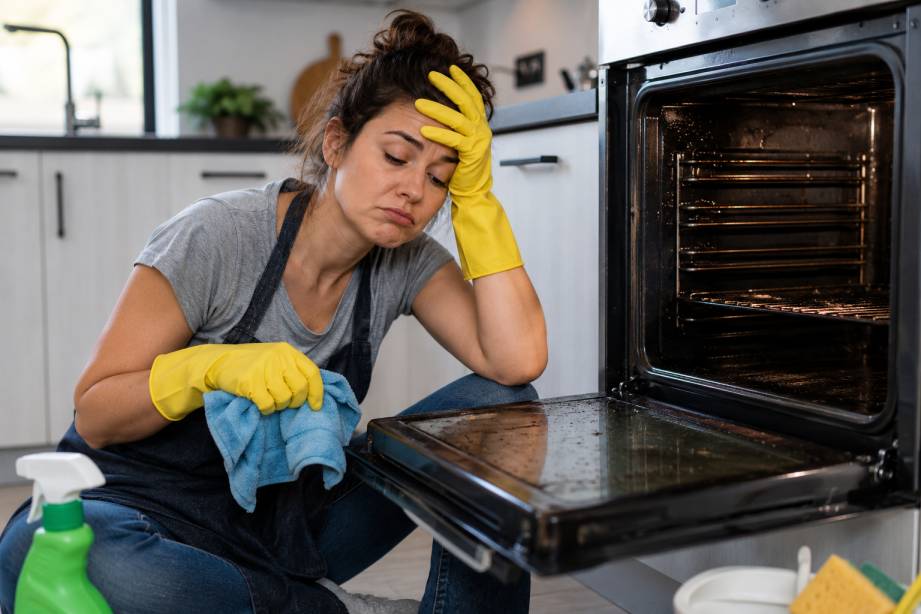
Most people think oven cleaning is basically:
- Spray some cleaner
- Wipe it down
- Done
Unfortunately, real life doesn’t quite work like that.
Once you begin, you quickly realise there’s far more involved than most people expect. Burnt-on grease, carbon build-up, smoke stains, greasy racks, baked-on food, hidden grime between oven glass panels — it can become a pretty serious job surprisingly fast.
And that’s before you even start dealing with things like:
- Removing the oven door
- Pulling glass panels apart
- Handling rubber seals
- Taking racks and side rails out
- Cleaning around elements
- Choosing the correct chemicals
- Avoiding scratches and damage
For many homeowners around Mandurah, it ends up being one of those jobs where you wish you’d just booked a professional oven cleaning service in the first place.
The Biggest Mistake People Make With DIY Oven Cleaning
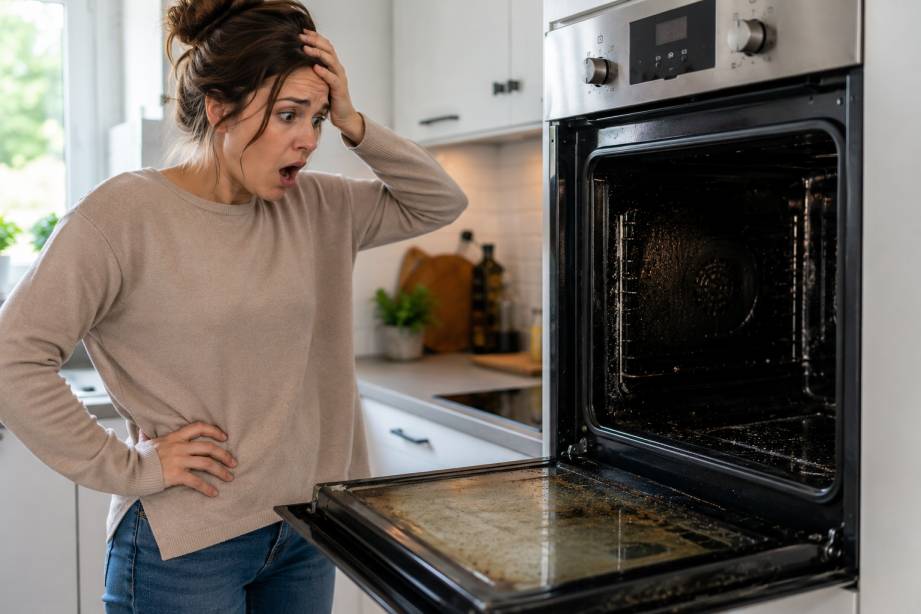
One of the biggest problems isn’t actually getting the oven clean.
It’s damaging the oven while trying to clean it.
Modern ovens are more delicate than many people realise. Certain surfaces scratch easily, some coatings can be permanently damaged by harsh chemicals, and using the wrong scraper or scourer can leave ugly marks that never come out.
A lot of DIY damage happens because people simply don’t know:
- Which products are safe
- Which chemicals should never touch certain parts
- Which tools can scratch surfaces
- How much pressure to use
- How different oven brands come apart
And once damage happens, it can become very expensive very quickly.
Oven Doors Are a Whole Different Story
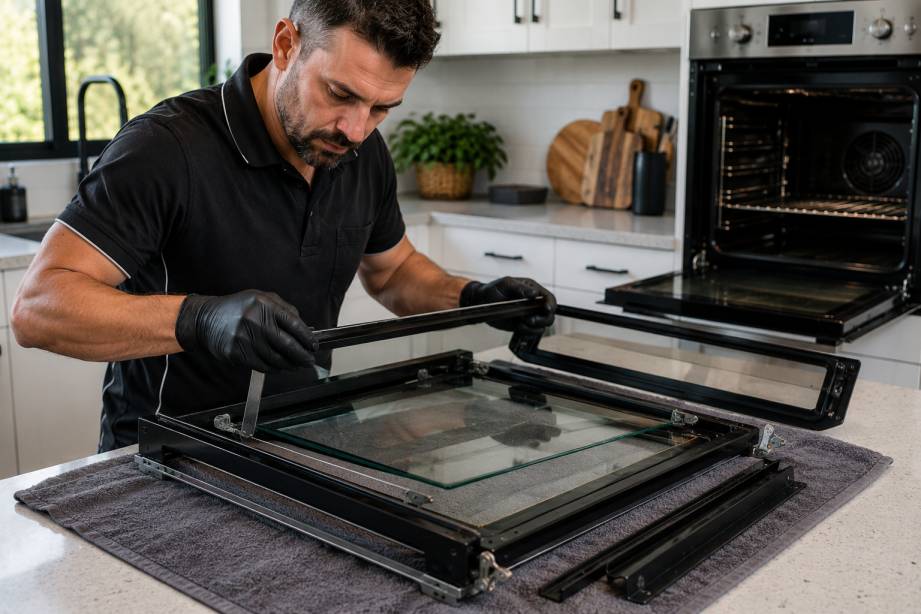
This is where many DIY oven cleaning jobs go sideways.
People see professional oven cleaners removing oven doors in seconds and think:
“How hard can it be?”
Then suddenly they’re standing in the kitchen holding a heavy oven door, trying to remember how it came apart.
Removing the Door Properly Matters
Many oven doors are designed differently depending on the brand and model. There are several ways they are held on. Others have locking clips, hidden catches, spring-loaded hinges, or delicate fittings.
If handled incorrectly, you can end up with:
- Misaligned hinges
- Broken clips
- Cracked glass
- Damaged seals
- Doors that no longer shut properly
And unfortunately, replacement oven doors are not cheap.
Then Comes the Glass Panels
This is another area where professional oven cleaners earn their keep.
Most people eventually discover that the grease isn’t just on the outside of the glass — it’s trapped between the glass panels.
That means the door often needs to be dismantled properly to clean it thoroughly.
Sounds simple enough… until you realise:
- Some doors contain multiple layers of glass
- Rubber seals must sit correctly
- Tiny clips and brackets can be easy to damage
- Certain glass panels scratch incredibly easily
- Reassembly needs to be exact
Even if you successfully pull the door apart, the real challenge is often putting it all back together properly.
A lot of people underestimate that part.
The Chemicals Can Be Brutal
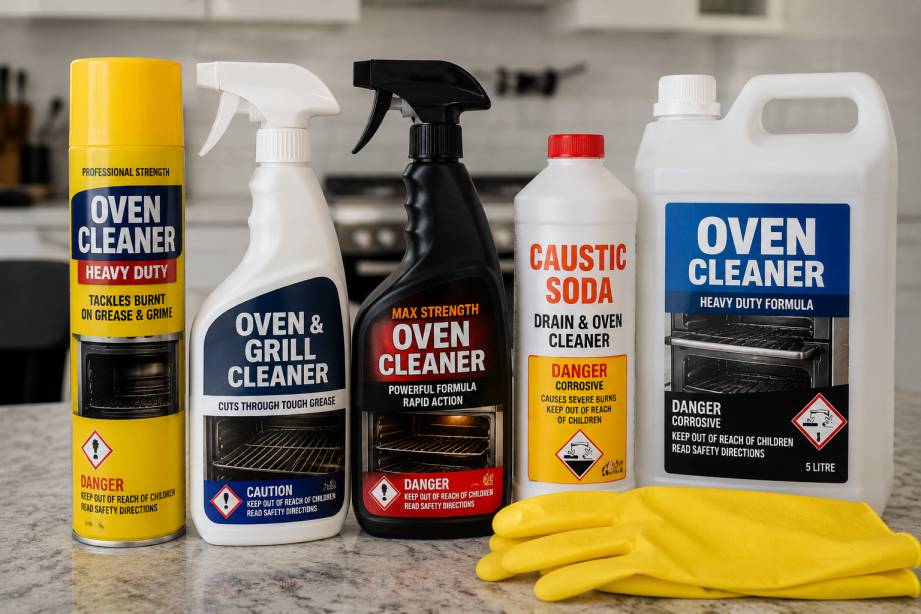
Let’s be honest — many oven cleaning chemicals are pretty nasty stuff.
Some supermarket oven cleaners work reasonably well, but they can also contain very strong chemicals that:
- Burn skin
- Irritate lungs
- Damage eyes
- Cause breathing discomfort
- Leave lingering fumes
Using them inside a confined kitchen area without proper ventilation can be rough going, especially for older homeowners or people sensitive to chemicals.
And there’s another issue many people don’t think about…
Oven Elements Need Special Care
Using the wrong chemical around the heating elements can create real problems.
Certain residues left behind may:
- Cause unpleasant smells
- Produce smoke when reheated
- Create potentially harmful fumes
- Damage components over time
A professional oven cleaner generally knows which products are safe around sensitive areas and how to properly remove residues afterward.
That’s something many DIY tutorials online don’t really explain very well.
It’s Also a Very Physical Job
This part often gets overlooked.
Professional oven cleaning involves:
- Kneeling
- Bending
- Reaching
- Scrubbing
- Lifting
- Holding awkward positions for long periods
If you’re younger and reasonably fit, you might get through it without too much drama.
But for many people — especially older homeowners — it can be surprisingly uncomfortable.
You spend a lot of time crouched down with your head shoved inside an oven trying to scrub baked-on grime while your back quietly files complaints against you.
And once you start tackling racks, trays, glass panels, and stubborn grease, the job can drag on for hours.
Time Is a Bigger Factor Than Most People Think
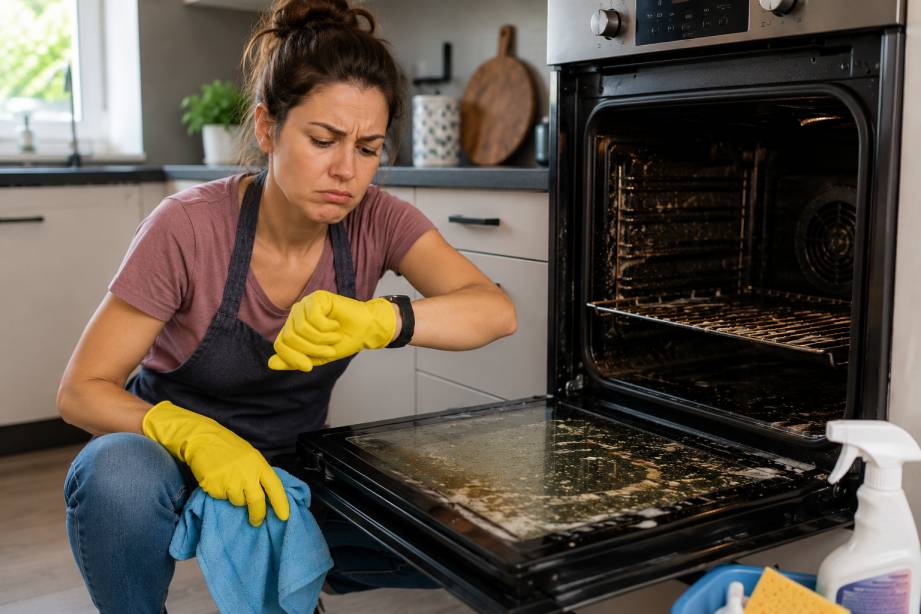
A proper deep oven clean is rarely a quick job.
Even for experienced professional oven cleaners, heavily used ovens can take a fair amount of time.
DIY cleaning often takes longer because:
- You’re learning as you go
- You may not have the right tools
- You stop to research things online
- Some grime needs repeated attempts
- Reassembly can become frustrating
What starts as:
“I’ll quickly clean the oven this morning” can easily turn into: “Well… there goes my whole Saturday.”
So the question is: Is it worth the time and stress?
Professional Oven Cleaners Already Have the Gear
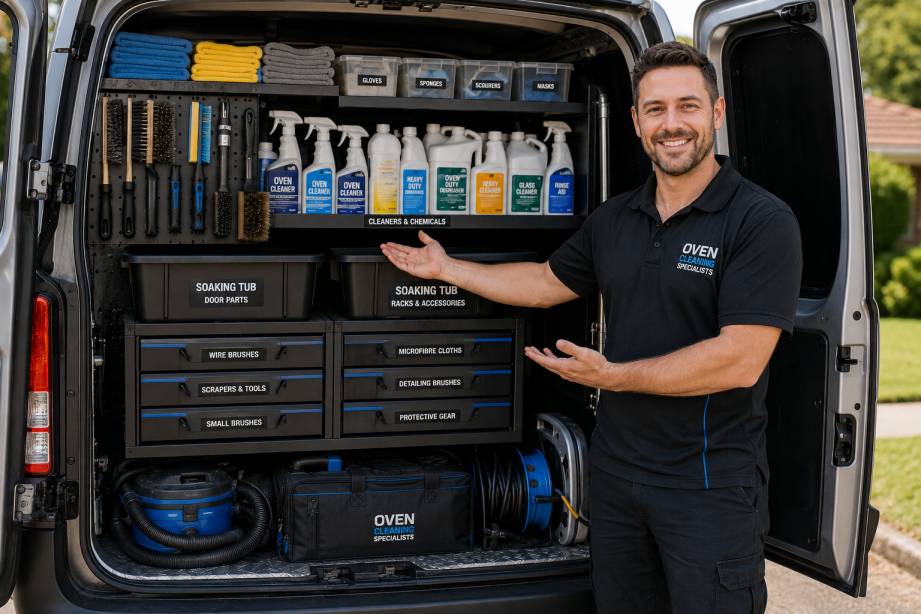
One major advantage professionals have is experience and specialised equipment.
Professional oven cleaning services often use:
- Commercial-grade cleaners
- Proper scrapers
- Non-scratch scourers
- Degreasers
- Specialised tools
- Protective materials
- Safe cleaning methods
And importantly, they generally know what works without causing damage.
That knowledge alone can save a lot of stress.
DIY Oven Cleaning Can Sometimes Cost More
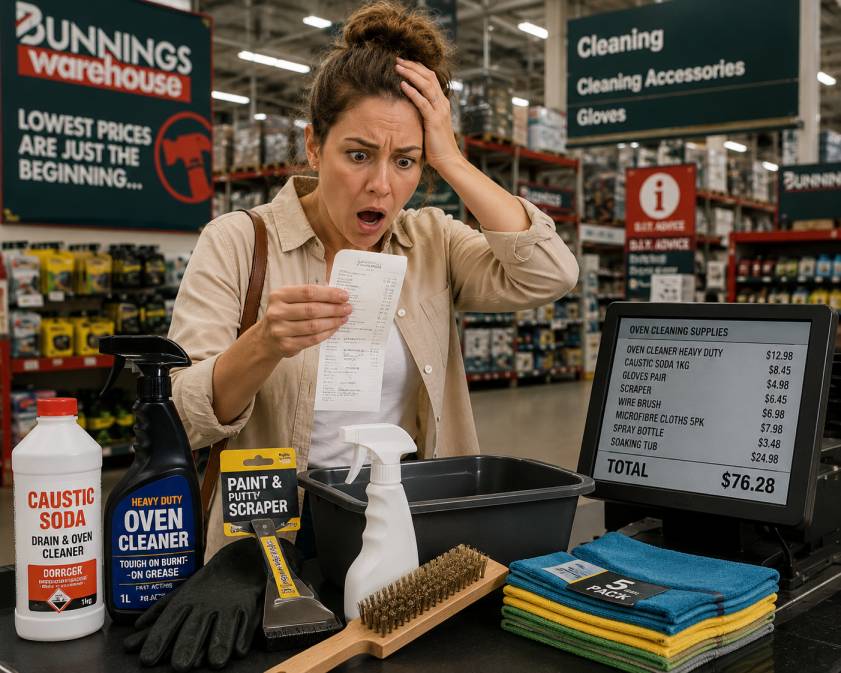
This surprises people.
At first glance, DIY cleaning seems cheaper.
But once you add up:
- Oven cleaners
- Gloves
- Scrapers
- Scourers
- Cleaning cloths
- Degreasers
- Your time
- Potential damage risks
…it can become less of a bargain than expected.
Especially if something goes wrong.
One damaged glass panel or scratched oven surface can cost far more than simply hiring a professional oven cleaning service from the start.
Some Ovens Are Extremely Expensive
Not all ovens are basic units.
Many modern homes around Mandurah now have:
- Pyrolytic ovens
- Steam ovens
- Premium European appliances
- Soft-close doors
- Touchscreen controls
- Delicate coatings
These ovens often require extra care and specific cleaning methods.
Using aggressive chemicals or rough scrubbing techniques on premium ovens can be a very expensive mistake.
Professional Oven Cleaning Isn’t Just About Appearance
Most people hire an oven cleaner because they want the oven looking nice again.
But there are other benefits too.
Cleaner Ovens Can Help Reduce:
- Smoke while cooking
- Burnt smells
- Excess grease build-up
- Carbon deposits
- Lingering odours
A cleaner oven can also simply make cooking more enjoyable again.
There’s something nice about opening the oven and not feeling personally judged by the grease stains inside it.
The Mental Side of the Job Matters Too
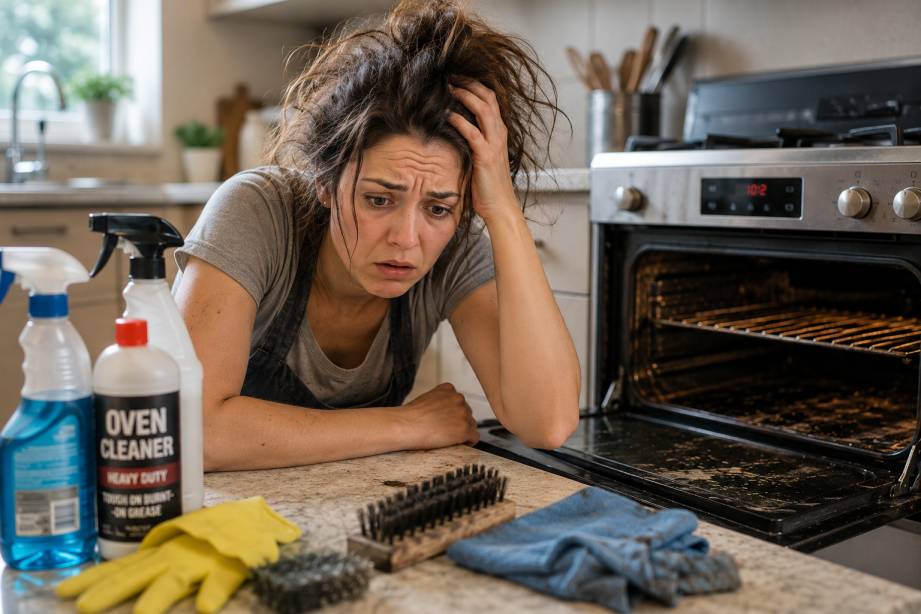
Some jobs just sit in the back of your mind.
Dirty ovens are one of them.
You know it needs doing.
You keep putting it off.
You think about it every time you cook.
Then eventually it becomes one of those “ugh” jobs hanging over your head.
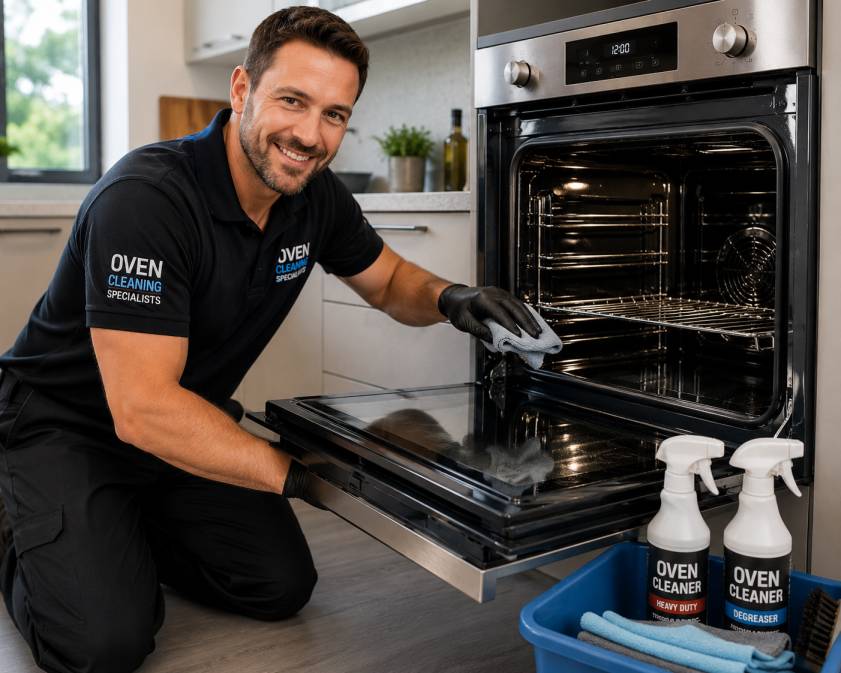
Hiring a professional oven cleaner removes that stress completely.
Sometimes paying someone isn’t just about the physical labour — it’s about buying your time and sanity back.
Professional Oven Cleaning Can Actually Extend the Life of Your Oven
Heavy grease and carbon build-up can eventually affect how efficiently an oven performs.
Over time, excessive grime may contribute to:
- Smoke problems
- Poor heat circulation
- Unpleasant smells
- Extra strain on components
Regular oven maintenance cleaning helps keep everything cleaner and functioning more efficiently.
Is DIY Oven Cleaning Ever Worth It?
Absolutely — for some people.
If you:
- Enjoy cleaning
- Have patience
- Know what products to use
- Understand how your oven comes apart
- Have the physical ability
- Don’t mind giving up several hours
…then DIY oven cleaning can certainly be done.
Some homeowners maintain their ovens regularly enough that it never becomes a huge job.
And that’s often the key.
Small Regular Cleans Are Easier
If you wipe spills quickly and clean the oven fairly often, you’re far less likely to end up dealing with:
- Thick carbon build-up
- Heavy grease
- Smoke stains
- Burnt-on food
The longer it gets left, the harder the job becomes.
Signs It Might Be Time to Call a Professional Oven Cleaner
Here are a few signs your oven may need professional attention:
Excessive Smoke
If your oven smokes heavily every time you cook, there’s likely significant grease or carbon build-up inside.
Strong Burnt Smells
Lingering smells often mean old food and grease deposits are continuing to burn during cooking.
Grease Between Glass Panels
If the inside glass looks dirty but you can’t reach it, the door may need dismantling properly.
You’re Worried About Damage
If you’re unsure how parts come apart, it’s often safer not to force anything.
You Simply Don’t Want the Hassle
Fair enough honestly. Most people don’t exactly dream of spending their weekend scrubbing oven racks.
Why Many People in Mandurah Choose Professional Oven Cleaning
Life gets busy.
Between work, kids, errands, and everything else, oven cleaning often falls right to the bottom of the priority list.
That’s why many homeowners searching for:
- professional oven cleaning Mandurah
- oven cleaner Mandurah
- deep oven cleaning
- oven glass cleaning
- oven cleaning service near me
decide it’s simply easier and safer to bring in someone experienced.
A professional oven cleaner already understands the process, knows how to dismantle components safely, and has the right products and equipment ready to go.
The Truth Most People Discover
A lot of homeowners attempt DIY oven cleaning at least once.
And many eventually come to the same conclusion:
“It’s a bigger job than I thought.”
That doesn’t mean people can’t do it themselves.
But once you factor in:
- The time
- The physical effort
- The chemicals
- The mess
- The risks
- The reassembly
- The potential for damage
…professional oven cleaning starts making a lot more sense for many households.
Frequently Asked Questions
Is professional oven cleaning really worth it?
For many people, yes. Professional oven cleaning can save a lot of time, physical effort, and frustration. It also reduces the risk of damaging your oven with the wrong chemicals, scrapers, or cleaning methods. Many homeowners find the convenience alone makes it worthwhile.
Can I damage my oven by cleaning it myself?
Absolutely. Using the wrong cleaning products, scourers, or scrapers can scratch surfaces, damage seals, affect elements, or even crack glass panels. One of the biggest risks with DIY oven cleaning is accidental damage during dismantling or reassembly.
How often should an oven be professionally cleaned?
That depends on how often you use it. For average households, a professional oven cleaning every 6 to 12 months is fairly common. Homes that cook frequently may benefit from more regular maintenance cleans.
Can professional oven cleaning remove smoke smells?
In many cases, yes. Smoke smells are often caused by burnt grease, carbon build-up, or old food residue inside the oven. A proper deep oven clean can help reduce smoke, smells, and lingering burnt odours.
Is it safe to clean around oven elements?
It can be if you know what you’re doing, but certain chemicals and methods should be avoided around heating elements. Incorrect cleaning can damage components or leave behind residues that may create unpleasant or potentially harmful fumes the next time the oven heats up.
Why is cleaning between oven glass panels so difficult?
Most oven doors contain multiple layers of glass and seals that need to be removed correctly. Many people can take the door apart, but putting it back together properly without damaging clips, seals, or hinges is often the tricky part. Professional oven cleaners are experienced with dismantling and reassembling oven doors safely.
Final Thoughts
So, should you clean your oven yourself or hire a professional?
The honest answer is that both options have pros and cons.
DIY oven cleaning may save money upfront if you know what you’re doing and have the time and patience for it.
But for many people, hiring a professional oven cleaner is often the safer, easier, and less stressful option — especially when dealing with heavily soiled ovens, delicate components, stubborn grease, or complicated door glass systems.
At the end of the day, it really comes down to what your time, comfort, and peace of mind are worth.
And let’s be honest…
There are probably better ways to spend your weekend than fighting baked-on grease while lying on the kitchen floor wondering where that tiny oven door clip disappeared to.